Understanding the Stages of Sports Injury Rehabilitation

Understanding the Stages of Sports Injury Rehabilitation

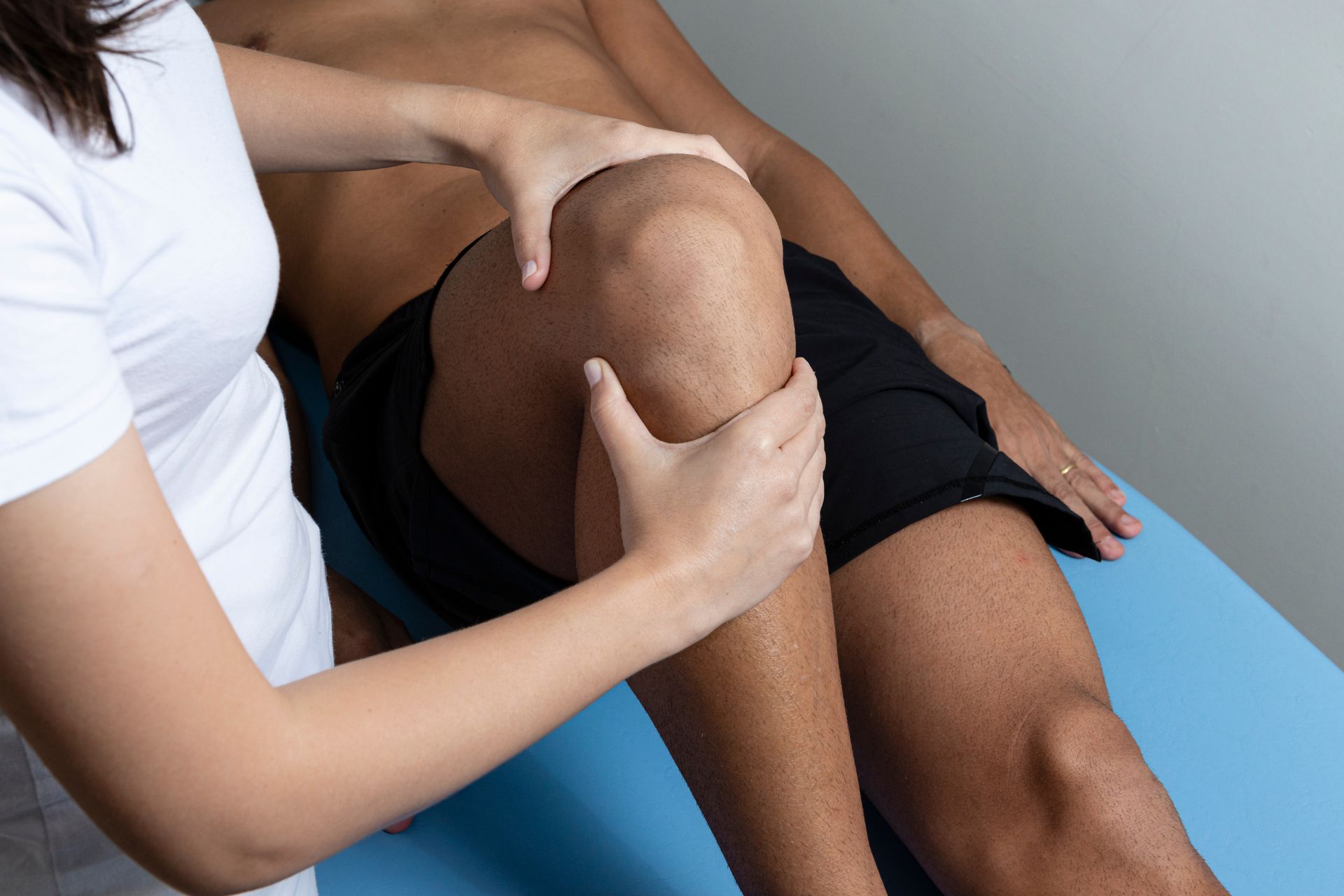
Understanding the stages of sports injury rehabilitation is essential for athletes seeking effective recovery. This guide outlines each stage and provides insights into best practices for a successful return to sport.

What are the key differences between the acute and chronic phases of sports injury rehabilitation?

The acute phase of sports injury rehabilitation focuses on the immediate management and treatment of an injury, which typically occurs within the first 48 to 72 hours following the event. During this time, practitioners emphasize reducing swelling and pain through methods such as rest, ice application, compression techniques, and elevation—often referred to by the acronym RICE. This initial care aims to prevent further damage while facilitating healing processes at a cellular level. In contrast, the chronic phase involves a longer-term approach that begins once inflammation subsides; it may last for several weeks or months depending on individual recovery rates. The emphasis shifts towards restoring range of motion (ROM), strength building through progressive resistance exercises, proprioceptive training for balance improvement, and functional movement patterns tailored specifically for sport-specific activities. Throughout both phases of rehabilitation—the acute being more focused on protection and stabilization while managing symptoms like edema or hematoma—and chronic emphasizing gradual reconditioning and return-to-play criteria—a thorough assessment is crucial in monitoring progress with evaluations often guided by objective measures such as joint mobility tests or strength assessments using dynamometers. Together these phases form a comprehensive framework aimed at optimizing athletes’ recovery timelines while minimizing risks associated with reinjury during their transition back into competitive play.

Effective sports injury rehabilitation can significantly enhance recovery time and restore peak performance levels. By exploring comprehensive resources on this topic, you will gain insights into tailored exercises and therapies that promote healing. To deepen your understanding of sports injury rehabilitation, visit understanding the benefits of physical therapy for joint recovery

How does proprioceptive training integrate into the functional recovery stage of an athlete's rehabilitation process?

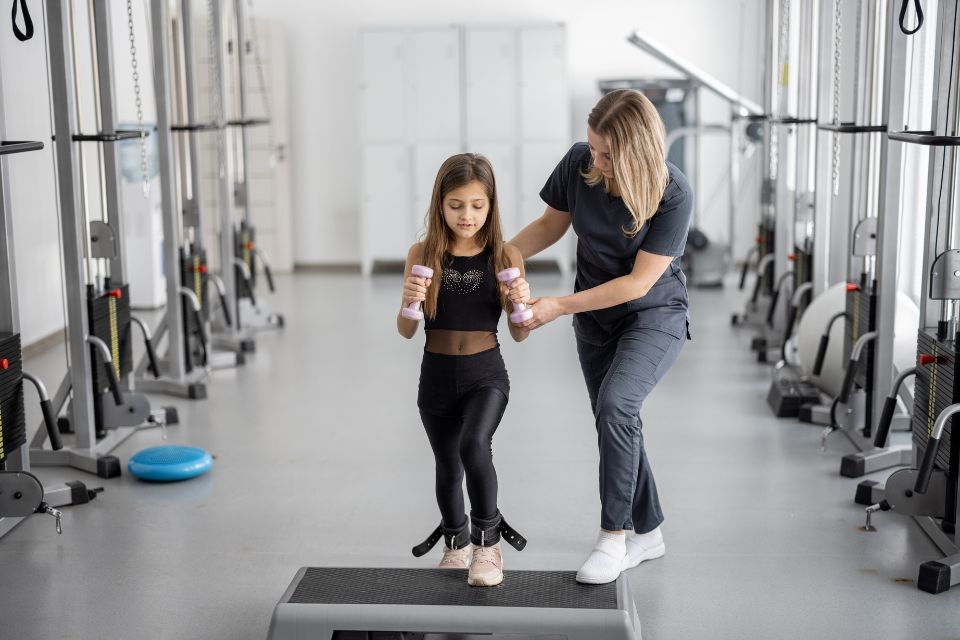
Proprioceptive training plays a crucial role in the functional recovery stage of an athlete's rehabilitation process by enhancing body awareness, balance, and coordination after injury. This type of training focuses on improving the body's ability to sense its position in space through exercises that challenge stability and joint control, often incorporating tools like balance boards or stability balls. As athletes progress from passive rehabilitation techniques to more active movements, proprioceptive activities are integrated into their routines to help restore neuromuscular function and optimize motor patterns. By engaging in drills that require quick adjustments based on feedback from their surroundings, athletes can regain confidence while simultaneously building strength around previously injured areas. The incorporation of dynamic movements mimics real-life sports scenarios where rapid changes in direction occur frequently; thus facilitating a smoother transition back into competitive play. Furthermore, effective proprioceptive training not only reduces the risk of re-injury but also enhances overall performance capabilities by refining movement efficiency and reaction times during athletic tasks. Overall, when utilized effectively within a structured rehabilitation program alongside other modalities such as strength conditioning or flexibility exercises, proprioceptive training becomes an essential component for achieving comprehensive functional recovery for any athlete aiming to return successfully to their sport post-injury.

In what ways do psychological factors influence adherence to a prescribed rehabilitation protocol during the restoration phase of recovery?

Psychological factors play a crucial role in influencing an individual's adherence to a prescribed rehabilitation protocol during the restoration phase of recovery, as these elements can significantly affect motivation, compliance, and overall engagement with the therapeutic process. Factors such as self-efficacy, which refers to one's belief in their ability to successfully complete tasks related to their rehabilitation goals, greatly impact how consistently individuals follow through with exercises and routines recommended by healthcare professionals. Additionally, emotional states like anxiety or depression may hinder one’s willingness to participate fully in physical therapy sessions or adhere strictly to exercise regimens; negative emotions can create feelings of helplessness that diminish commitment levels. Social support from family members and friends also plays an essential role; encouragement from loved ones fosters a sense of accountability and boosts morale throughout challenging moments during recovery. Moreover, cognitive factors such as goal-setting strategies allow individuals to break down larger objectives into manageable steps leading towards improved outcomes while enhancing focus on progress rather than setbacks. The perception of pain management is another psychological aspect impacting adherence—if patients view their discomfort positively within the context of healing rather than solely experiencing it negatively, they are more likely able to cope effectively with necessary interventions like stretching or strength training activities needed for full recovery. Lastly, personal values regarding health and well-being shape attitudes toward rehabilitation practices; those who prioritize fitness are generally more inclined toward following protocols diligently compared to others who may not place equal importance on long-term wellness outcomes after injury or surgery has occurred.

What specific modalities are most effective for managing inflammation in the initial stages following a sports-related injury?

In the initial stages following a sports-related injury, several specific modalities are particularly effective for managing inflammation and promoting recovery. The R.I.C.E method, which stands for Rest, Ice, Compression, and Elevation, is often recommended as a first-line approach to reduce swelling and alleviate pain. Applying ice packs or cryotherapy can constrict blood vessels and minimize blood flow to the injured area, effectively decreasing inflammatory responses while also numbing discomfort. Compression through wraps or sleeves helps limit edema by providing consistent pressure that supports vascular return. Maintaining elevation of the affected limb above heart level aids in reducing pooling of fluids which contributes to inflammation. Additionally, therapeutic ultrasound may be employed as it uses sound waves to penetrate tissues deeply; this modality enhances local circulation while encouraging cellular repair processes through increased metabolic activity in surrounding tissues. Non-steroidal anti-inflammatory drugs (NSAIDs) such as ibuprofen can also play an essential role in mitigating pain and lowering inflammation due to their analgesic properties. Furthermore, gentle range-of-motion exercises early on help maintain joint flexibility without exacerbating damage or causing further irritation around soft tissue injuries like sprains or strains; this proactive step ensures optimal healing conditions moving forward into rehabilitation phases where physical therapy interventions become vital for enhancing strength and functionality once acute symptoms have subsided completely.

How can sport-specific drills be incorporated effectively into late-stage rehabilitation to ensure optimal performance return?

Incorporating sport-specific drills into late-stage rehabilitation is essential for athletes aiming to return to optimal performance levels while minimizing the risk of re-injury. This phase often focuses on functional movement patterns that mimic the demands of the athlete's chosen sport, allowing them to regain strength, agility, endurance, and coordination specific to their activities. For instance, basketball players may engage in shooting drills that require pivoting and lateral movements which are crucial for game scenarios; soccer players might practice dribbling under pressure or sprinting with directional changes typical during a match. Incorporating these targeted exercises not only enhances physical conditioning but also aids in restoring confidence as athletes become more accustomed to performing skills they will encounter during competition. Additionally, integrating simulation training—wherein athletes rehearse specific game situations—can promote cognitive processing alongside physical recovery by reinforcing decision-making skills under similar conditions faced in real games. It is vital that these drills be progressively scaled according to individual recovery rates and monitored closely by sports professionals who can adjust intensity levels based on feedback from both the athlete’s performance metrics and subjective experiences regarding pain or discomfort during activities. Ultimately, successful integration hinges on a well-structured approach combining therapeutic techniques with dynamic skill development tailored uniquely towards each player's needs while fostering an environment conducive for psychological readiness as they transition back into competitive play.

Frequently Asked Questions

During the initial phase of sports injury rehabilitation, it is crucial to incorporate specific exercises that focus on range of motion, proprioception, and gentle strengthening. These may include passive and active assisted stretching to enhance flexibility in the injured area while minimizing pain. Isometric contractions can also be beneficial for maintaining muscle activation without excessive strain on the joint or surrounding tissues. Additionally, low-impact activities such as stationary cycling or swimming allow for cardiovascular conditioning while protecting against further injury. Balance training exercises using wobble boards or stability balls help improve proprioceptive feedback essential for neuromuscular control during recovery. Furthermore, targeted movements emphasizing proper biomechanics aid in re-establishing functional patterns necessary for sport-specific performance once healing progresses.

Hydration plays a critical role in recovery times during various stages of sports injury rehabilitation, influencing factors such as cellular repair, inflammation control, and overall physiological function. Adequate fluid balance enhances the transport of nutrients and oxygen to injured tissues while facilitating the removal of metabolic waste products that can hinder healing processes. During the inflammatory phase following an acute injury, proper hydration helps mitigate edema by promoting lymphatic drainage and reducing swelling. As athletes transition into the proliferative stage, optimal hydration supports collagen synthesis and tissue regeneration by maintaining blood volume and viscosity for efficient circulation. Furthermore, throughout functional rehabilitation phases involving strength training or mobility exercises, staying hydrated is essential for joint lubrication to prevent stiffness and enhance performance outcomes. Overall, sufficient water intake not only accelerates physical recovery but also contributes to mental clarity and motivation among rehabilitating athletes engaged in therapeutic interventions aimed at restoring pre-injury functionality.

Mental health and psychological support are crucial components in the later stages of rehabilitation from a sports injury, as they significantly influence the athlete's recovery trajectory and overall well-being. Psychological interventions, such as cognitive-behavioral therapy (CBT) and mindfulness techniques, help address issues like fear of re-injury, anxiety surrounding performance expectations, and emotional distress related to identity loss during recovery. The integration of mental skills training fosters resilience and enhances coping mechanisms by promoting positive self-talk, visualization strategies, and goal-setting practices tailored for athletes navigating post-injury challenges. Additionally, access to sports psychologists or mental health professionals provides essential emotional support that aids in building confidence while facilitating a smoother transition back into competitive environments. Ultimately, prioritizing psychological wellness not only accelerates physical healing but also ensures athletes maintain a balanced mindset necessary for sustained athletic performance.

During the various stages of sport-related rehabilitation, specific nutritional supplements can significantly enhance healing and recovery. In the initial inflammatory phase, omega-3 fatty acids from fish oil help mitigate inflammation and promote cellular repair by modulating cytokine production. As patients transition to the proliferative phase, collagen peptides become crucial for tissue regeneration and strength due to their role in stimulating fibroblast activity. Additionally, amino acids such as L-glutamine are beneficial for muscle preservation during this period. Finally, in the remodeling stage of rehab, vitamin C plays a vital role in collagen synthesis while antioxidants like vitamin E support oxidative stress reduction; together they facilitate optimal scar formation and functional restoration of injured tissues. Ensuring adequate hydration with electrolytes also supports overall physiological balance throughout each stage of recovery.

Athletes can effectively track their progress throughout the various phases of their rehabilitation journey by utilizing a combination of structured assessments, digital health applications, and performance metrics. Implementing regular functional evaluations allows for monitoring strength gains, range of motion improvements, and endurance levels during each stage of recovery. Utilizing wearable technology can provide real-time data on biomechanical movements and physiological responses to training loads. Additionally, maintaining a detailed journal or log that documents daily exercises, pain levels, fatigue rates, and subjective well-being enables athletes to identify patterns and setbacks in their rehabilitation process. Collaborating with sports physiotherapists or trainers who specialize in injury prevention further enhances this tracking system through tailored recovery protocols that are adjusted based on progressive overload principles while ensuring adherence to safe practices within evidence-based frameworks. This comprehensive approach fosters accountability and motivation as athletes visualize milestones achieved towards optimal athletic function post-injury.
Understanding the Stages of Sports Injury Rehabilitation

Understanding the Stages of Sports Injury Rehabilitation

Contact Us

Alpine Physical Therapy and Fitness

  • Address: 3130 Alpine Rd Suite 370, Portola Valley, CA 94028
  • Phone: (650) 242-0777
  • Email: alpineptfit@mail.com

© Copyright - All Rights Reserved